Redefining Confidence: From Survivor to Founder – Dana Donofree’s Journey to Building AnaOno


AnaOno's Founder and CEO, Dana Donofree. Source: AnaOno.
Dana's journey
You were diagnosed with breast cancer in your 20s, a time when many women are still shaping their identity and personal style. How did getting dressed during treatment and recovery impact the way you saw yourself?
Getting dressed became one of the most emotional parts of my day. Before cancer, style was a form of self-expression—it was how I showed up in the world. But during treatment and after surgery, I didn’t recognize my body, and nothing in my closet felt like it belonged to me anymore. Bras didn’t fit, clothes didn’t sit the same, and I felt disconnected from myself. It wasn’t just about fashion—it was about identity. I realized very quickly that when you don’t feel comfortable in your body, it impacts your confidence, your mindset, everything.
How did you begin redefining your style in a way that felt empowering?
I had to start from scratch and really listen to my body. Instead of trying to fit back into who I was before, I gave myself permission to evolve. Comfort became non-negotiable, but I didn’t want to sacrifice feeling beautiful or expressive. That shift—choosing pieces that honored where I was instead of where I’d been—was incredibly empowering. It’s really where the seeds of AnaOno were planted.
The heart behind AnaOno
What does empowerment mean to you, especially in the context of women’s health and wellness?
Empowerment, to me, is about giving tools and space to help others feel like themselves again—on their own terms. In women’s health, especially after something as life-altering as breast cancer, so much is out of your control. Empowerment is about reclaiming some of that control—whether it’s through what you wear, how you move through your day, or how you see yourself in the mirror.
What inspired you to create AnaOno?
Honestly, it came from a really personal, painful place. I remember standing in dressing rooms after my surgery, trying on bras that didn’t fit my body anymore—and just breaking down. Nothing was made for me. Nothing made me feel beautiful, or even comfortable in my own skin. And in that moment, I thought, no one else should have to feel this way.
That experience lit something in me. I didn’t just want to solve a problem—I wanted to help other women feel seen, supported, and confident again. I wanted to create pieces that allowed women to look in the mirror and recognize themselves, to feel beautiful in their bodies as they are, not as they were before.
AnaOno was built from that promise—to turn a moment of isolation into something that could support others, so no woman has to cry in a dressing room wondering where she belongs.
Supporting women, together
How do you hope your pieces support women post-surgery to rediscover confidence in their new bodies?
Our goal is to meet women exactly where they are. After surgery, there’s often a mix of emotions—grief, strength, uncertainty, resilience—all at once. Our pieces are designed to remove one layer of stress and replace it with comfort and confidence. When something fits your body—your real, current body—it can be incredibly validating. It’s not about “fixing” anything. It’s about honoring your experience and helping you feel seen.
Could you share some stories or messages from your community that have deeply impacted you or shaped how you approach the business?
There are so many, but one that always stays with me is a woman who told us it was the first time she felt “normal” getting dressed after her surgery. Another shared that wearing an AnaOno bra made her feel beautiful again, not despite her scars—but with them. Those moments are everything. They remind us that what we’re creating isn’t just a product—it’s part of someone’s healing journey.
Styling tips: How to pick your first post-surgery bra
For women who may be navigating their new sense of self, what practical tips would you share when it comes to choosing intimates that support their needs?
Start with how you feel, not just how it looks. Your body has been through a lot, so prioritize softness, flexibility, and adjustability. Look for bras without underwire, with gentle fabrics and thoughtful design features like pockets for prostheses or adaptable fits for asymmetry. And most importantly—don’t settle. You deserve something that feels good and makes you feel like yourself. Pieces like our Monica Full Coverage Bra or Rora Pocketed Front Closure Bra are designed with those exact needs in mind.

Monica Full Coverage Wireless Bra. Source: AnaOno.
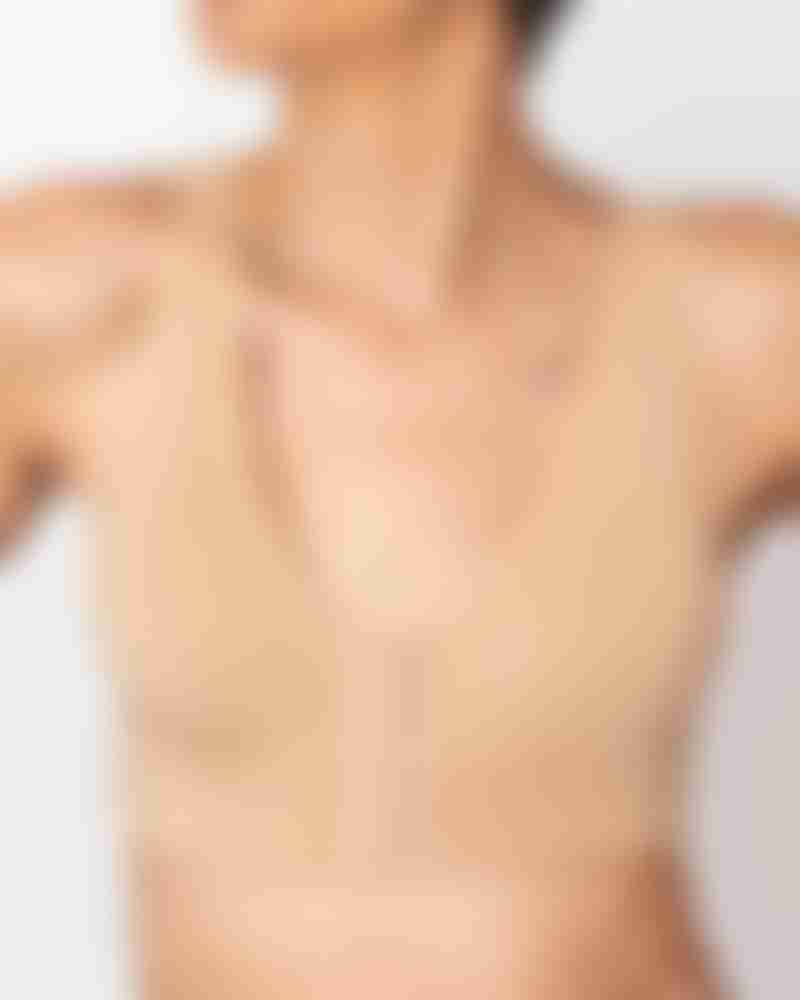
Rora Pocketed Front Closure Bra. Source: AnaOno.
What are some of your best tips on getting dressed and redefining your style during your treatment and recovery process?
Give yourself grace. Your body is changing, and that’s okay. Build a wardrobe around pieces that feel good physically first—soft fabrics, easy silhouettes—then layer in what makes you feel like you. Maybe that’s color, texture, or a favorite accessory. Style doesn’t disappear during this time—it just evolves. Let it.
Looking ahead
What’s next for AnaOno? Are there exciting products, initiatives, or collaborations lined up?
We’re always listening to our community, so what’s next is really shaped by their needs and experiences. We’re continuing to expand our size range, refine our designs, and think more holistically about how we can support women through every stage of their journey—not just post-surgery, but beyond.
We’re also really excited to be launching a new collection this May, which is especially meaningful because it’s our anniversary month. It feels like such a full-circle moment for us, and we can’t wait to share it with our community. Everything we create is rooted in them, so being able to celebrate that together makes it even more special.
Beyond products, we’re continuing to invest in advocacy and awareness—pushing for more inclusive conversations around women’s health and making sure no one feels overlooked in this space.
What do you hope readers, especially women navigating similar challenges, take away from your story?
That you are not alone—and that your story doesn’t end with a diagnosis. There is strength in redefining yourself, in embracing change, and in finding confidence in a new version of your body. You deserve to feel comfortable, beautiful, and empowered exactly as you are. Always.
This article is a collaboration with AnaOno and is not sponsored.