Palliative Care for End-Stage Liver Cancer Symptoms


Source: Shutterstock.
Early and well-planned palliative care that addresses physical, emotional, and psychological needs can significantly improve the well-being of liver cancer patients. It is important to know about the palliative care options available for managing the chronic symptoms of liver cancer.
End-stage liver cancer symptoms
Symptoms of end-stage liver cancer may include jaundice, abdominal pain, swelling, fatigue and digestive issues.
Palliative care is not just for terminal-stage cancer patients. It is a holistic approach that addresses both the physical symptoms, as well as the emotional and psychological challenges of your cancer journey.
What are the benefits of palliative care?
- Better quality of life and mood
- Improved symptom control
- Satisfaction for both patients and caregivers
This article explores how palliative care supports liver cancer patients at every stage, ensuring their needs are met holistically.
Cancer pain
Palliative pain management is a crucial aspect of care for many patients with advanced-stage liver cancer. Effective pain management enhances their quality of life, allowing them to engage in daily activities and spend time with loved ones.
When pain becomes difficult to manage, referrals to pain specialists experienced in palliative care are often necessary. This is common among patients whose cancer has spread to other parts of the body, such as the bones or nerves. Abdominal pain is a common symptom for liver cancer patients, either from cancer or cancer treatments.
For mild cancer pain, non-steroidal anti-inflammatory drugs (NSAIDs) are typically used. It can be combined with adjuvant analgesics for specific pain types or side effects from cancer treatment. However, NSAIDs have certain contraindications, such as causing irritation and potential damage to the gut and kidneys. Discussing their use with the cancer care team helps to ensure that the patient receives the best possible treatment plan.
For moderate to severe pain, opioids are the standard treatment but require close monitoring due to their side effects. Opioids are also effective for managing symptoms like chronic pain from metastases or associated conditions in liver cancer patients. Adjuvant analgesics can be used alongside opioids to help manage other conditions, such as depression or nausea. But opioids increase the risk of constipation, so they are often prescribed with a bowel management plan to prevent severe constipation.
For liver cancer that has metastasized to the bones or other areas, external beam radiation therapy (EBRT) may be used to help alleviate pain. Additionally, integrative therapies such as acupuncture or music therapy are recognized as complementary methods to reduce pain and improve overall comfort.

Types of pain management for different levels of cancer pain. Image data source: UpToDate
Nutrition and muscle wasting
Throughout their cancer journey, liver cancer patients often experience a range of symptoms associated with their nutritional intake, including:
- Nausea and vomiting
- Anorexia and malnutrition
- Weight loss and muscle wasting (cachexia)
These conditions, often linked to treatments like chemotherapy or impaired liver/kidney function, tend to worsen over time for patients with advanced-stage liver cancer. Medications are often prescribed to manage these symptoms. Corticosteroids, such as dexamethasone, are an example of adjuvant analgesics used alongside pain medications. They also help reduce nausea and vomiting.
Nutritional intervention is vital, especially when patients have had low energy intake for extended periods. Consulting with a dietitian experienced in liver disease can be highly valuable to tailor dietary needs based on the patient’s condition.
Cancer-related fatigue
Many cancer patients may experience fatigue at different stages of their cancer journey, whether mild or severe. It can occur as a symptom of cancer itself, as a side effect of treatments, and may persist even during survivorship.
While fatigue is distinctive from weakness, the two factors are often interconnected, making it harder for patients to carry out daily activities. To effectively treat cancer-related fatigue, a holistic assessment is essential to identify its underlying cases.
Fatigue can result from various factors, including
- Pain
- Anemia
- Emotional distress or depression
- Sleep disturbances or insomnia
- The patient’s functional status, related to aging or mobility
Non-pharmacological interventions are often preferred, as they can be more effective and have longer-lasting effects than medications. Approaches such as exercise, yoga, meditation, acupuncture and counselling have shown significant benefits in managing cancer-related fatigue.
On the pharmacological side, psychostimulants and other wakefulness drugs are generally avoided unless absolutely necessary. Instead, treatment is tailored to the underlying cause of fatigue. For instance, antidepressants may be prescribed if fatigue is related to emotional distress. Integrative approaches, including traditional Chinese medicine like ginseng or vitamin supplements, can also be considered as part of a holistic treatment plan.
When left untreated, cancer-related fatigue can significantly impact various aspects of life, from physical health to career. It is important to talk to a doctor about these symptoms, as they will refer you to a therapist or specialist depending on the cause. Keep in mind that some interventions may not be feasible for elderly patients, so personalized solutions are essential.
Other physical symptoms
Patients with advanced-stage liver cancer may also experience fluid retention in the abdomen (ascites). Paracentesis is often the first-line treatment for malignancy-related ascites. It involves the removal of excess pleural fluid using a needle, guided by ultrasound for precise localization. It can provide immediate relief even by removing a small volume of fluid.
For patients with recurring ascites, catheter drainage may be considered. It involves catheter placement as an outpatient procedure and drainage into a vacuum bottle that can be accessed easily by the patient. The PleurX drainage catheter is one example that allows patients to manage pleural effusion conveniently at home.
Itching (pruritis) may develop at any stage of liver cancer, often due to dry skin, treatment side effects or bile salt accumulation. Mild itchiness can be relieved by warm baths or soothing cream. However, severe pruritis can be distressing and may require treatment with oral medications, such as cholestyramine, rifampicin or naltrexone.
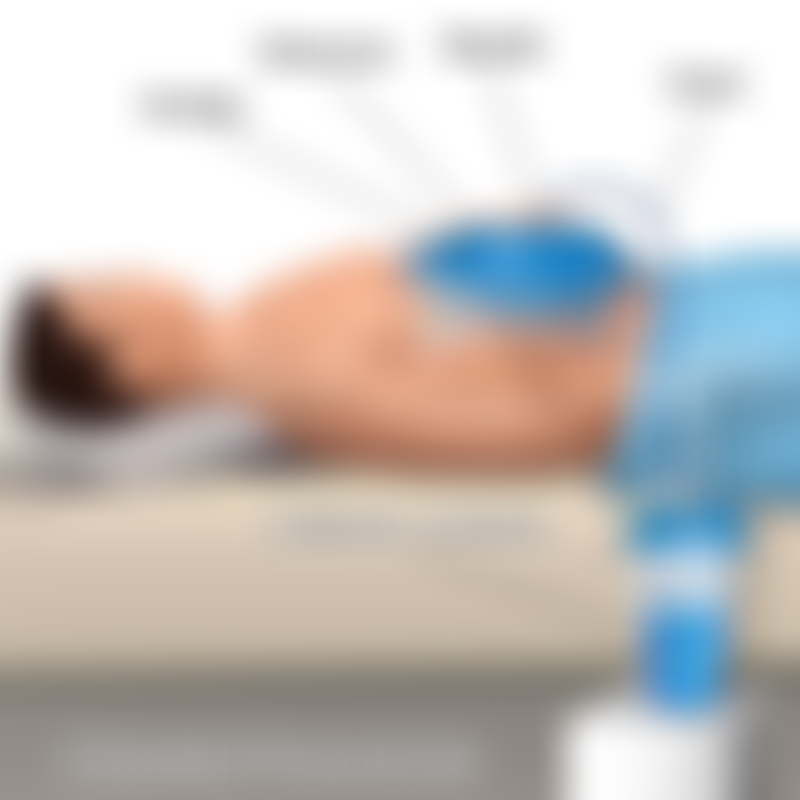
Drainage of ascites via paracentesis. Source: Wikimedia Commons.
Psychological support
The psychological burden of living with liver cancer can be significant, with many patients experiencing high levels of distress, anxiety, or depression. Studies have shown that patients with liver cancer rank among those with the highest levels of psychological distress compared to other cancer types. This emotional toll can also extend to caregivers who face emotional challenges while caring for cancer patients. Educational interventions and coping strategies can be effective in helping both patients and caregivers manage their emotional challenges.
In palliative care, “healthcare becomes less about the illness in isolation and more about the person living with it.” - Dr Praveen Kammar, surgical oncologist.
Palliative care plays a critical role in managing these complex symptoms. The goal of palliative care is to improve the overall quality of life for liver cancer patients at any stage of their cancer journey, while providing much-needed support to their families and caregivers.