Hysterectomy Recovery


Source: Shutterstock.
After having a hysterectomy, you may wake up feeling tired and in some pain. Painkillers will be prescribed to help reduce any pain and discomfort.
Feeling sick or nauseous after anaesthesia is a common side effect, and you may request for medication to relieve this. Side-effects from anaesthesia are usually short-lived, and should not last for more than a day.
Right after your surgery, you may need the following:
A catheter will be placed to help drain urine from your bladder after your operation. It will usually be removed shortly after surgery (usually within a day), so that you can use the toilet on your own.
A temporary drainage tube may be placed to prevent the accumulation of blood or fluid around your wound if you have a larger incision.
If you had a vaginal hysterectomy, you may have a gauze pack placed in your vagina to minimize bleeding. This will usually be left for a day, and removed upon discharge from the hospital.
A short walk as soon as possible after your hysterectomy is encouraged as it helps with your blood circulation. This can help reduce the risk of blood clots developing as you recover.
Hysterectomy recovery time
For a vaginal or laparoscopic hysterectomy – you may be discharged after 1 to 4 days. For an abdominal hysterectomy, recovery will take longer, and you may be discharged up to 5 days later.
A full hysterectomy recovery can take up to 6 to 8 weeks, but recovery from a vaginal or laparoscopic hysterectomy is usually shorter.
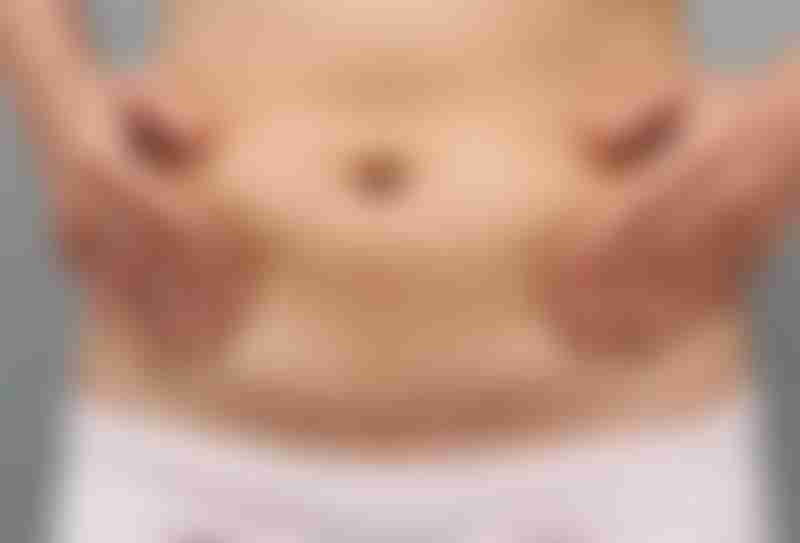
Abdominal hysterectomy scar (horizontal incision is shown, but the incision may be vertical as well). Source: Shutterstock.
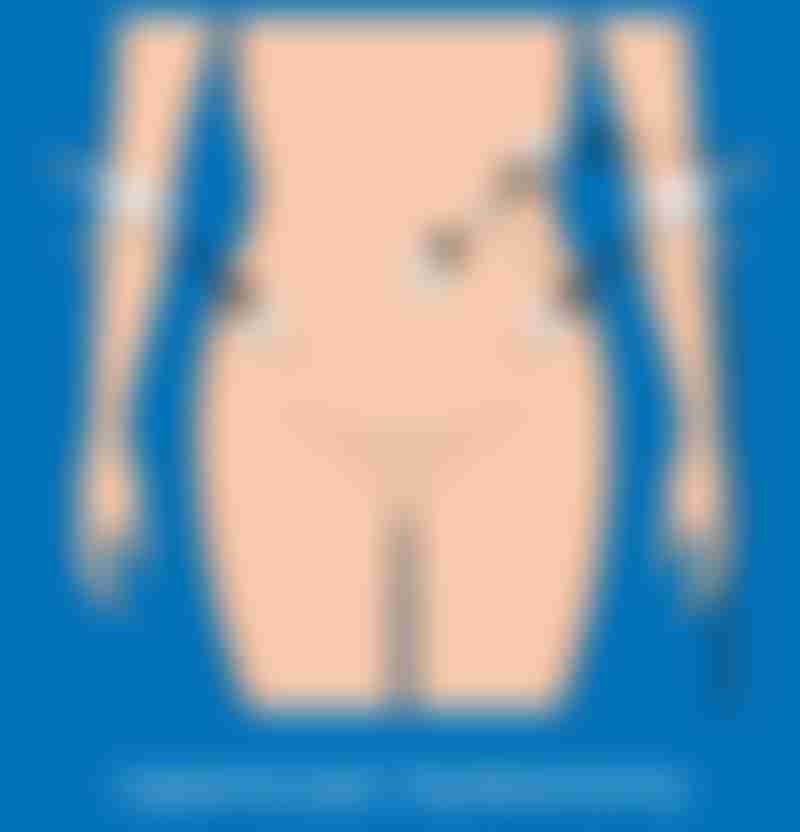
Laparoscopic hysterectomy scar sites (multiple smaller incisions although the exact number and location of these incisions can vary). Adapted from: Shutterstock.
What should you do after a hysterectomy?
During the recovery period you should rest as much as possible, but still be mobile. Limit any strenuous exercise (e.g. lifting heavy objects) to allow your body to heal itself. Remember that your body is likely much more tired than usual after the surgery, and requires a lot more energy to heal itself. Take it slow, and allow yourself time to recover.
Note that after a hysterectomy, you should avoid inserting anything into your vagina for 4 to 6 weeks, including tampons or engaging in sexual intercourse. Your surgeon may want to examine you before you resume these activities.
Within the first few days of getting home, starting some light activities, such as walking around the house or even in the yard can help support your recovery.
A pelvic floor muscle exercise programme can help alleviate issues with urinary incontinence and improve sexual satisfaction. To identify your pelvic floor muscles, imagine squeezing tightly inside your vagina. You should feel your muscles ‘lift and squeeze’. Once your catheter has been removed, you can begin these exercises if your surgeon allows this. Start with what feels comfortable for you, then gradually aim to do these exercises at least three times a day.
Overexertion after hysterectomy
Symptoms of internal stitches after hysterectomy being stressed may include additional drainage of fluid or blood from your incisions or your vagina. Avoid any movements that might disturb your incision site. If you feel increased pain when engaging in new activities, stop and allow your body to rest. After a short pause, you may try resuming the activity, but always listen to your body.
How long can I sit after hysterectomy?
To avoid the risk of blood clots, you should minimize sitting or lying in bed for more than two hours at a time during the day.
Returning to normal
After a hysterectomy, you may feel a sense of loss or sadness. This experience varies for each person and may stem from no longer being able to have children, or feeling different about your body. A hysterectomy can be emotionally stressful, and may trigger feelings of depression.
If feelings of sadness persist, consider discussing counseling or other options with your doctor. Support groups for people who have been through similar procedures can also provide a sense of community and help you feel less alone.
As you recover, remember to avoid overexerting yourself. If you feel pain while trying to resume your normal activities, try doing a little less for a few days. Don’t push yourself to get back to 100% instantly, but gradually ease back into your normal routine.